Change moves fast in digital marketing – by 2026, it's accelerating hard. Old methods fade within months now, not years. Success isn’t only about what you sell – it hinges on knowing people deeply. Experiences matter more than ever before. New tech arrives constantly, reshaping where and how brands show up. Yet real talk still counts, no matter the platform.Tools shift, algorithms update, but listening stays essential. Staying close to users keeps efforts grounded. Speed pushes everything forward, yet understanding pulls success back to basics. New tech arrives constantly, reshaping where and how brands show up. Today, even a top MBA college in Jaipur must stay active across digital platforms to remain visible and relevant.
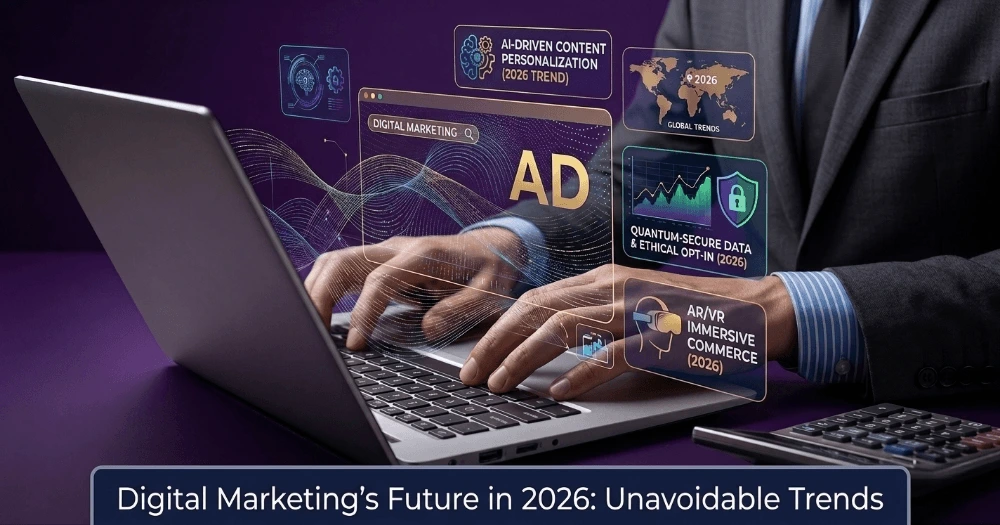
AI is No Longer Optional—It’s Everywhere
By 2026, most digital marketing runs on artificial intelligence. Big companies aren’t the only ones using it anymore – small shops now tap into AI too. Instead of guessing what customers want, machines study past choices to spot patterns. Responses get sent automatically, sometimes before a person even asks. Content appears out of nowhere, shaped by algorithms trained on endless examples. Speed improves, sure, yet something feels off when every message sounds the same. The real skill lies in knowing when to step back and let people lead. Machines handle repetition well, though warmth? That still comes from humans. Clever marketers feed data to bots but keep storytelling in their own hands. Trust builds slowly, not through precision, but through moments that feel real.
2. Hyper-Personalization is the New Normal
Nowadays, online users want companies to know what they like. Not just name drops – real personal touches matter most. Firms watch how people act, then adjust messages using smart tech tools. When done right, folks stick around longer because it feels good being seen.Satisfied clients often come back when treatment fits who they really are.
3. Short-Form Video is Dominating Content
Nowadays folks spend more time watching brief clips instead of long pieces. Because they like fast material, something lively plus full of visuals that gives insight quickly. By 2026 companies lean into honest footage, skipping slick sales spots altogether. Truth unfolds better when moments feel lived-in, not staged or rehearsed. So teams chase originality, shaping tales that spark feeling through surprise. Attention sticks where emotion shows up first.
4. Voice Search is Changing SEO
Out loud, gadgets answer more folks each day. Talking replaces tapping words into screens. Because of that, those who plan ads dig deeper into how talk flows. Pages adjust not for fragments but whole what-why-how lines. Answers matter most these days. Simple truths beat keyword tricks since machines listen like humans now.
5. Data Privacy is a Top Priority
Nowadays, digital marketing leans heavily on data, yet worries around privacy grow louder.People notice how their details get handled – so brands face pressure to act with care. Tougher rules arrive from governments, pushing marketers toward openness and fairness. Success often follows those who treat private info like a promise. Trust builds slowly, but it matters more than ever.
6. Influencer Marketing is Evolving
Right now, influencer marketing still works well – yet what matters most is realness. Rather than chasing huge follower counts, companies work with micro or nano influencers because their fans pay closer attention. People tend to trust them more since they feel down-to-earth, so suggestions land differently. By 2026, true connections matter way more than just pushing items.
7. Omnichannel Marketing is Essential
Across phones, shops, posts online, people meet brands in many places. Still, staying familiar wherever they show up matters most. Whether someone scrolls, clicks, or walks through a door, what they hear stays clear and matched. It feels right when each moment fits together without gaps. Satisfaction grows quietly when nothing seems off. Trust builds slowly through steady signals. Identity sharpens not by saying more, but by being the same every time.
8. Sustainability and Ethical Marketing
These days people pay closer attention to nature and fairness, yet care whether companies stand behind such ideas. Firms now often choose greener methods while highlighting moral efforts through how they present themselves. Still truth matters most – shoppers spot false promises fast. Those who actually follow through on doing good tend to earn deeper trust over time.
9. Content is Still King—But Context is Queen
These days, content still drives digital plans forward – though what matters now isn’t volume,it’s impact. By 2026, substance wins over sheer output when crafting messages people actually care about. Instead of guessing, teams dig into who they’re speaking to, shaping ideas around real moments and situations. When timing aligns with intent, material sticks because it feels useful, even familiar.
10. The Human Touch Still Matters
Even with fancy tech everywhere, nothing beats real human contact. Feelings, personal tales, and honesty? That is what moves people. Good marketing goes beyond numbers and code – it grows through bonds and reliability. Those brands mixing smart tools with honest warmth tend to catch attention online. Standing apart happens when circuits meet sincerity.
Frequently Asked Questions (FAQs)
1. What is the biggest digital marketing trend in 2026?
Right now, most companies are turning to artificial intelligence just to handle tasks faster. It quietly sorts through information while making customer interactions feel unique. Because of this shift, routine work gets done without constant human oversight. Personal touches come easier when systems learn what people prefer.
2. SEO relevance in 2026?
True, SEO matters just as much today – only now it listens closely to what people really mean, adapts to how they speak into devices, then shapes answers that sound like a chat, not a manual.
3. What makes personalization matter so much inside digital marketing?
Meaningful connections grow when experiences feel tailored. Engagement rises because people notice the fit.Satisfaction sticks around longer under those conditions. Loyalty follows, not by force, but through repeated relevance.
4. How is consumer privacy affecting marketing strategies?
Marketers now face pressure from growing worries about privacy, forcing clearer methods. Trust becomes essential when reaching people – honesty shapes results. With scepticism rising, openness isn’t optional; it defines what works. How brands behave quietly decides their reach. Truth sticks where doubt fades.
5. What type of content performs best in 2026?
Out of everything, short clips tend to stand out – especially when the material feels real. What happens is people notice fast what speaks to them personally. Often it's raw moments that stick around in minds later. A quick scene can do more than long explanations ever could. Truth shows up easiest when things aren’t polished too much. Watch time grows if viewers sense honesty behind the frame. Moments matter most when they feel like life, not scripts.
6. What skills should a digital marketer have in 2026?
Success begins when a digital marketer thinks critically. Curiosity drives creative solutions instead of routine fixes. Tools powered by artificial intelligence become useful only with clear purpose behind them. Behaviour patterns reveal what audiences truly respond to. Change stays constant, so adaptation becomes quiet habit rather than sudden reaction.
Conclusion
One step ahead, digital marketing in 2026 mixes clever tools with real insight into people.Though machines learn fast and numbers tell stories, what matters still comes down to listening closely, giving something useful, staying honest over time. Those who shift smoothly without losing their true voice tend to find their place more easily. Instead of
pushing back, moving forward – with care and clear eyes – makes the difference.
Author
Ms.Yashi Sharma
Assistant Professor,Department of Commerce & Management
Biyani Group of Colleges,Jaipur


